Crafting effective prompts for AI-generated videos is all about using detailed, sensory-rich language to guide the AI in creating visually stunning and emotionally engaging scenes. The quality of your description directly impacts the final output. Here’s what matters most:
- Be specific: Instead of generic terms, describe scenes with precision (e.g., "golden hour sunlight filtering through venetian blinds" vs. "bright room").
- Match the genre: Tailor prompts to fit the style and mood of different genres like action, romance, or horror.
- Incorporate emotions: Use descriptive cues to evoke joy, tension, or melancholy through visuals and actions.
- Use sensory details: Go beyond visuals by adding sound, texture, or temperature to make scenes more immersive.
- Structure the narrative: Follow storytelling frameworks like the three-act structure to ensure your video feels cohesive.
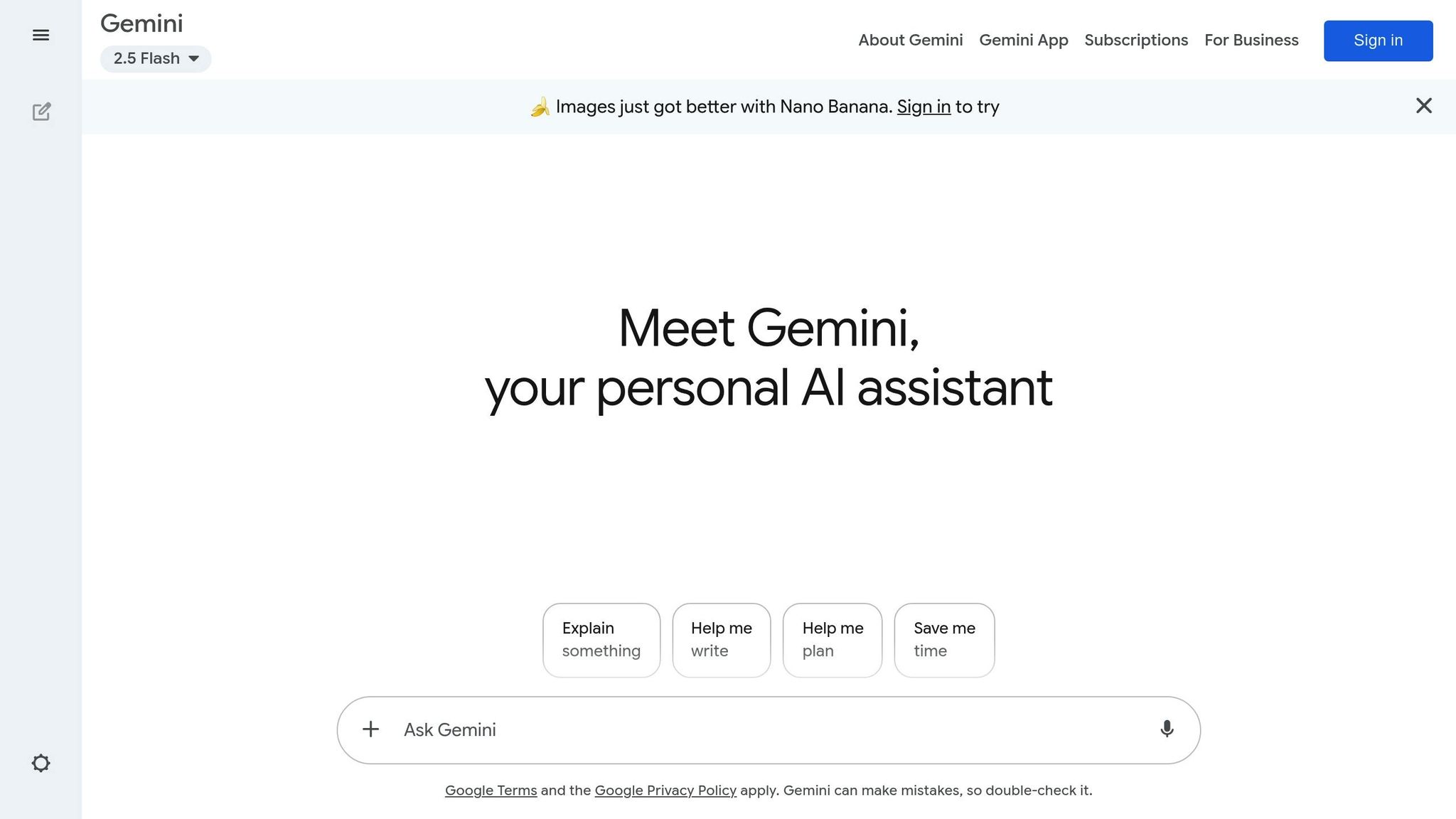
How to Write Perfect Prompts for AI Video with Gemini + Veo 2
1. Genre-Specific Prompts
To make your AI-generated content stand out, align your prompts with the distinct mood and rhythm of each video genre. Every genre has its own style, pacing, and emotional appeal that connects with audiences. By tapping into these unique traits, you can elevate your content from ordinary to truly engaging.
Action and Thriller: Capturing the Energy
Action scenes thrive on speed, intensity, and movement. To bring these moments to life, your prompts should highlight swift transitions, dramatic motion, and reactive environments. For example, instead of saying, "person runs", you could write: "Sprints through a narrow alleyway, dodging falling debris as dust clouds swirl with every step, while a handheld camera tracks closely at shoulder height." This kind of detail – combining movement, surroundings, and camera perspective – gives AI tools like Runway Gen-4 and Sora clear guidance to create high-energy visuals. It’s all about matching the genre’s dynamic nature while staying true to the story’s tone.
Drama and Romance: Focusing on Emotion
Drama and romance require a softer, more intimate touch. These genres revolve around emotional depth and subtle interactions, with slower pacing and smooth camera movements. Use evocative verbs like "embraces", "gazes", or "whispers" to convey closeness and vulnerability.
Picture this for a romance scene: "Two figures sit on a weathered park bench, autumn leaves drifting gently under golden light. The camera slowly pulls back, revealing their intertwined hands, as warm 3200K lighting casts soft, inviting shadows." This kind of prompt combines emotional storytelling with technical precision, helping AI capture the delicate mood and visual style these genres demand.
Horror and Mystery: Building Unease
Horror thrives on atmosphere – textures, shadows, and subtle details that create tension without relying on overt scares. Dark fantasy and horror prompts should weave together elements like fog, peeling wallpaper, and muted tones to evoke unease.
Here’s an example: "A figure moves cautiously down a dimly lit hallway, floorboards creaking beneath each step. The camera follows with a slight handheld tremor, as shifting shadows play across peeling wallpaper. Muted green tones and deep blacks enhance the eerie atmosphere." By layering textures, color grading, and deliberate camera motion, this type of prompt immerses viewers in a chilling, cinematic experience. It’s all about crafting an environment that feels unsettling yet visually captivating.
2. Emotion-Driven Prompts
Emotions are the heartbeat of cinematic storytelling. By weaving emotional cues into your prompts, you can turn abstract feelings into vivid visuals and actions that deeply resonate with audiences. This layer of emotional detail enriches the genre-specific guidance we discussed earlier, adding depth and nuance to visual narratives.
Joy and Celebration: Bringing Energy to Life
To capture joy, focus on prompts that emphasize dynamic movement, vibrant lighting, and an atmosphere brimming with energy. Joy isn’t just about smiles – it’s in the way people move, interact, and light up their surroundings. For example: "A group of friends bursts into laughter around a kitchen table, golden hour sunlight streaming through sheer curtains. Their heads tilt back naturally, hands gesturing animatedly, while warm 2700K lighting creates a honey-colored glow across their faces." This prompt combines real human behavior with specific lighting details, giving AI a clear roadmap for creating scenes filled with positivity and warmth.
Melancholy and Reflection: Finding Beauty in Stillness
Melancholy thrives in quiet, understated moments. These prompts should focus on subtle movements, soft textures, and muted tones that echo an internal emotional landscape. For instance: "A solitary figure sits by a rain-streaked window, fingers tracing condensation patterns on the glass. Cool blue tones dominate the scene, with soft diffused lighting creating gentle shadows that emphasize the peaceful solitude." By layering environmental elements with thoughtful color and lighting choices, this type of prompt allows AI to evoke a sense of introspection and quiet beauty.
Tension and Anticipation: Creating a Sense of Unease
Tension lives in the details – micro-expressions, nervous gestures, and charged environments. The right prompt captures these elements to build emotional pressure. Consider this: "Two people stand facing each other in a dimly lit hallway, shoulders slightly raised, hands fidgeting at their sides. The camera holds steady at eye level, highlighting unspoken tension through shallow depth of field, using warm lighting that casts long shadows." This description directs AI to focus on the small, human details that make tension feel real and gripping, pulling viewers into the moment.
sbb-itb-0df1f49
3. Sensory-Enhanced Prompts
Emotions create connections, but sensory details bring scenes to life. These prompts go beyond just visuals, weaving in sounds, textures, temperatures, and even scents to craft immersive experiences. Think of it like turning a description into a cinematic moment. Below, we’ll explore how to seamlessly incorporate visuals, sounds, and tactile elements into prompts.
Visual and Auditory Layering: Building Immersive Atmospheres
Combining vivid visuals with sound cues can transform a flat description into a rich, multi-dimensional scene. Instead of merely describing what’s visible, include ambient sounds and environmental textures to make the setting feel alive. For instance: "A woman walks down a rain-soaked Tokyo street, neon signs reflecting in purple and blue pools on the wet asphalt. Her heels click rhythmically on the pavement as distant traffic hums and raindrops patter overhead." This prompt gives AI clear guidance on both visual elements (neon reflections, wet surfaces) and auditory details (heel clicks, city hums, raindrops), creating a layered and dynamic environment.
Tactile and Environmental Cues: Bringing Physicality to Life
Details like temperature, texture, and weather conditions anchor scenes in a tangible reality. These cues are particularly effective when tied to character actions or the broader setting. For example: "An elderly man sits on a weathered park bench, morning frost clinging to its metal armrests. His breath forms small puffs of vapor in the crisp 40°F air, while the crunch of autumn leaves underfoot signals joggers passing by." By including specifics like temperature (40°F), tactile elements (frost, weathered bench), and seasonal cues (autumn leaves), this prompt helps AI create a scene that feels physically grounded and true to its environment.
Scent and Taste References: Completing the Sensory Experience
Even though AI can’t directly generate smells or tastes, referencing these senses can evoke strong visual and emotional associations. Such details shine in food scenes, memory-driven moments, or setting descriptions. Consider this example: "A baker kneads dough in a warm kitchen at dawn, flour dusting the wooden counter. Golden sunlight filters through the window, highlighting the steam rising from fresh loaves, evoking the aroma of yeast and butter in the cozy space." Here, scent references (yeast, butter) and tactile elements (warm kitchen, flour dust) help the AI craft a scene that feels complete and inviting, even without the actual smells.
4. Narrative-Structure Prompts
To create a cinematic AI video that captivates your audience, focus on blending vivid sensory details with a strong narrative arc. A well-structured story – complete with a clear beginning, middle, and end – keeps viewers hooked and ensures your video feels intentional rather than disjointed. These prompts emphasize pacing, character growth, and story flow to craft videos that resonate emotionally.
Three-Act Structure Integration: Building Compelling Story Arcs
The timeless three-act structure is a powerful tool for crafting AI-generated visual narratives. It provides a clear roadmap for storytelling, guiding the viewer through a setup, conflict, and resolution. Here’s an example of how this can be used effectively:
- Act 1: A young chef nervously prepares for her first day at a prestigious restaurant. In the quiet pre-dawn hours, she sharpens her knives, her hands trembling with anticipation.
- Act 2: The dinner rush hits, and chaos ensues. She struggles to keep up with the flood of orders, sweat dripping as plates crash and tempers flare in the bustling kitchen.
- Act 3: By the end of the night, she finds her rhythm. Moving with confidence and precision, she plates the final dish, earning a subtle yet meaningful nod of approval from the head chef.
This structure provides clear narrative beats for the AI to follow, ensuring the story flows smoothly from one moment to the next. It also complements sensory and emotional prompts, creating a cohesive and visually engaging experience.
Breaking your prompts into distinct acts establishes pacing and emotional depth. The setup introduces the characters and setting, the confrontation adds tension and visual drama, and the resolution delivers satisfying closure. This approach is especially effective for marketing videos, short films, or any content that needs to tell a complete story within a limited time.
Conclusion
Using descriptive language effectively can turn AI-generated videos into captivating visual stories that truly connect with audiences. Throughout this guide, we’ve explored how elements like genre-specific details, emotional depth, sensory-driven descriptions, and structured storytelling can elevate basic concepts into cinematic experiences that leave a lasting impression.
By focusing on clear and specific prompts, you can guide AI tools to create content that aligns with your goals and resonates with your audience. For example, starting with a directive like "Create a 60-second explainer video introducing our scheduling tool to first-time users" gives the AI a clear framework to work within, saving time and reducing the need for extensive revisions. Adding narrative depth and sensory details ensures the final product is engaging and visually compelling.
Tools like PyxelJam streamline video production by removing the need for traditional resources like film crews and expensive equipment. This technology not only opens up creative possibilities but also delivers quicker results, budget-friendly solutions, and high-quality visuals that might otherwise be out of reach. When combined with carefully crafted prompts, these tools empower creators to produce content that stands out.
Descriptive prompts are the foundation of impactful storytelling. Whether you’re crafting a suspenseful horror scene, an emotional brand narrative, or a structured story arc that keeps viewers hooked, your choice of words shapes the outcome. A thoughtful approach to writing prompts can transform simple ideas into immersive visual experiences.
Keep it clear and straightforward. The most effective prompts combine vivid, concise language with specific technical and creative details. This ensures your AI-generated videos don’t just look polished but also achieve their purpose – whether it’s educating, inspiring, or driving action.
FAQs
How can I create AI video prompts that fit specific genres like action or romance?
To design AI video prompts that match specific genres, it’s important to use language and visuals that capture the unique tone and atmosphere of each style. For action, focus on energetic, adrenaline-pumping descriptions. Think dynamic verbs, rapid sequences, and imagery packed with intensity – like high-speed chases, fiery explosions, or daring stunts. These elements help convey a sense of urgency and excitement.
For romance, shift to a more tender and emotive approach. Use heartfelt language, soft and warm lighting, and settings that inspire closeness and connection. Picture candlelit dinners, quiet strolls along the beach, or sunsets over peaceful landscapes.
By weaving in these genre-specific details, you can guide AI tools to produce videos that genuinely capture the mood and essence of the story, making the experience more engaging and immersive for viewers.
How can I use sensory details in prompts to make AI-generated videos more immersive?
To make your AI-generated videos more engaging, focus on adding sensory details to your prompts. These details help paint a vivid picture and draw viewers into the scene. Think beyond the basics – describe how things might look, sound, feel, smell, or even taste. For example, instead of just saying "a sunny day", you could describe it as "golden sunlight streaming through the trees, casting dappled shadows on the forest floor." Little touches like the crunch of gravel underfoot or the salty breeze from the ocean can make a scene feel alive.
Another way to elevate your prompts is by including environmental aspects like lighting, movement, or temperature. Imagine phrases like the soft glow of candlelight dancing on the walls or the crisp chill of morning air clinging to your skin. These kinds of details guide the AI to create visuals that feel more authentic and immersive, helping your videos leave a lasting impression.
How can the three-act structure improve storytelling in AI-generated videos, and how do I use it in my prompts?
The three-act structure can make AI-generated videos feel more engaging and cohesive by giving them a natural narrative flow with a beginning, middle, and end. This storytelling framework not only helps maintain a steady pace but also draws viewers in emotionally and delivers a satisfying conclusion.
Here’s how you can incorporate this structure into your prompts:
- Setup: Lay the groundwork by introducing the characters, setting, and context. This is where viewers understand the "who", "where", and "why" of the story.
- Confrontation: This is the heart of the story, where conflicts or challenges emerge. Describe the tension or obstacles the characters face to keep the narrative gripping.
- Resolution: Bring the story to a close by guiding the AI to craft a climax and conclusion. Highlight how the conflict is resolved or how the characters evolve.
By providing detailed descriptions for each act, you help the AI generate videos that not only look polished but also resonate emotionally with the audience.